
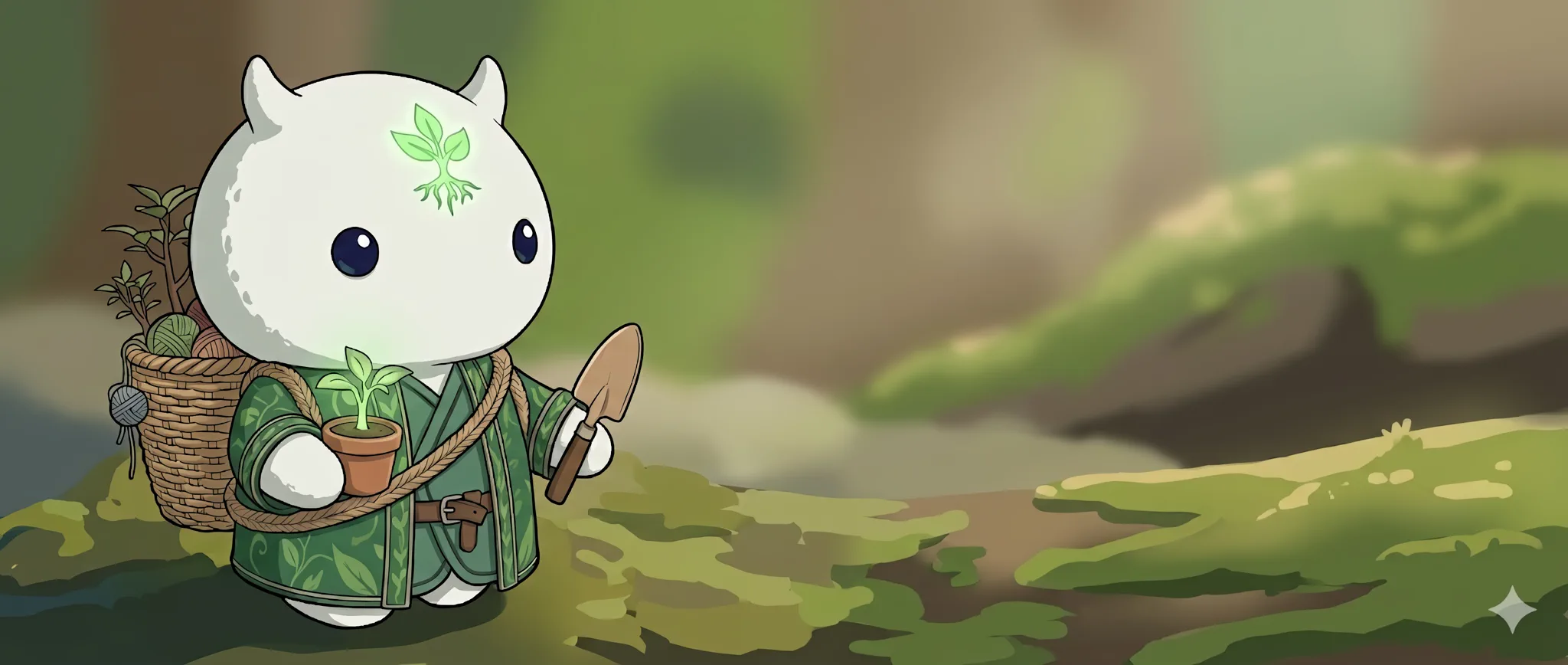
Weaver
“We grow stronger when we grow together.”
Belonging, Growth, Patience, Ecology
Fairness, Responsibility, Order, Boundaries
Curiosity, Clarity, Precision, Mastery
Ambition, Power, Strategy, Self-interest
Passion, Impulse, Honesty, Risk
Understanding the Weaver
You pay attention to how things grow, both in people and in relationships. You care about creating environments where others feel safe and understood. You often sense emotional tension before anyone mentions it and you look for ways to ease it. You prefer steady progress instead of rushed decisions. You feel at home when you are part of something that is slow, meaningful, and real.
Dominant Driver
Green is the drive toward connection and organic growth. It shows up in people who think about how things and people fit together over time, who notice the emotional atmosphere in a room, and who care about whether a path feels alive rather than just impressive. This might be the person who tends to friendships like a garden, who values slow, steady progress, or who keeps an eye on whether everyone is actually okay beneath the surface. At its hardest moments, Green can avoid necessary conflict, stay too long in familiar situations, or bend itself around others until it’s not sure what it really wants anymore.
Lacking Driver
When you lack White, plans stay vague, boundaries are unclear, and you often postpone decisions with a vague 'we'll sort it out later' until something breaks. Commitments feel optional, shared spaces slide into mess or drama, and it becomes hard to trust that anyone—including you—will actually show up in the way they said they would.
Lacking Driver
When you lack Blue, life runs mostly on habit and immediate reactions. You make decisions because 'that’s how it’s always done' or 'everyone else is doing it', with little patience for questions or deeper reflection. You or the people around you get irritated when asked to slow down, change your mind, or look at nuance, and the idea of learning before acting feels like a burden rather than a resource.
Strengths & Weaknesses
- Creates spaces where people exhale—others feel safe to be themselves around you
- Builds friendships that last decades, not just seasons; you tend relationships like gardens
- Notices when someone's 'fine' isn't fine, and knows how to ask in a way that opens them up
- Reads the emotional temperature of a room before anyone's said a word
- Avoids conflict so thoroughly that problems fester until they explode
- Says yes when you mean no, then quietly resents the commitment you didn't want
- Struggles to enforce boundaries—you'll tolerate being drained before you'll risk being 'difficult'
- Stays too long in jobs, friendships, or relationships that stopped being mutual years ago