
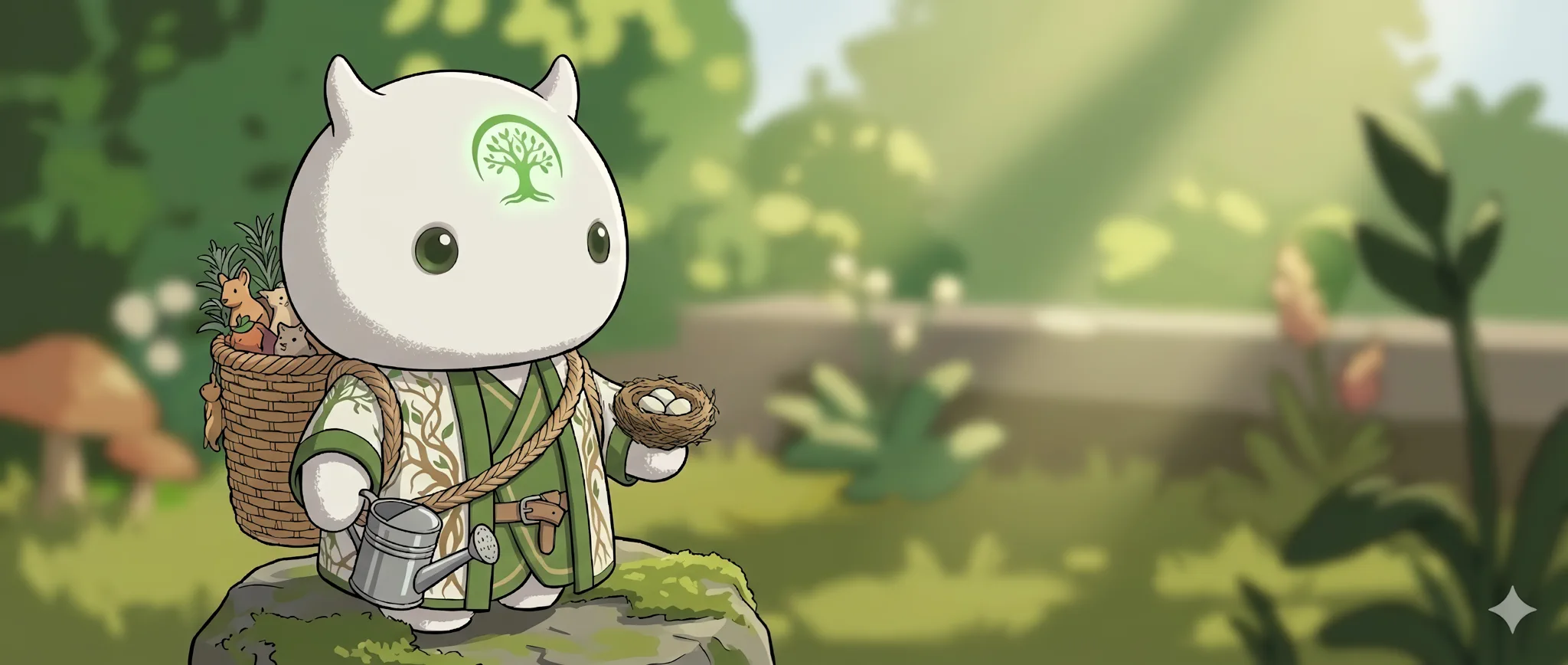
Warden
“I build sanctuaries where the weary can rest.”
Fairness, Responsibility, Order, Boundaries
Belonging, Growth, Patience, Ecology
Curiosity, Clarity, Precision, Mastery
Ambition, Power, Strategy, Self-interest
Passion, Impulse, Honesty, Risk
Understanding the Warden
You want the groups you care about to feel stable, safe, and connected. You often see yourself as a steward who maintains harmony through consistent and thoughtful care. You notice when a situation feels fragile and you quietly step in to support it. You provide structure, but you also offer warmth. You feel fulfilled when the people around you can relax because the environment you created feels predictable and kind.
Dominant Driver
White is the drive toward principled coherence and fair structure. It shows up in people who naturally organize plans, clarify expectations, and try to make sure everyone is treated consistently. At its best, White creates spaces where others feel safe, respected, and able to rely on shared agreements—whether that’s a project, a household, or a friend group. At its hardest moments, this drive can turn into anxiety about disorder, over-responsibility for other people’s behavior, or resentment when others ignore the rules you’re trying to uphold.
Auxiliary Driver
Green is the drive toward connection and organic growth. It shows up in people who think about how things and people fit together over time, who notice the emotional atmosphere in a room, and who care about whether a path feels alive rather than just impressive. This might be the person who tends to friendships like a garden, who values slow, steady progress, or who keeps an eye on whether everyone is actually okay beneath the surface. At its hardest moments, Green can avoid necessary conflict, stay too long in familiar situations, or bend itself around others until it’s not sure what it really wants anymore.
Lacking Driver
When you lack Black, you tend to wait to be chosen, hoping that effort or goodness will eventually be noticed on its own. You stay in unsatisfying situations because you don’t see any real leverage or options, avoid asking directly for what you want, and talk more about what you can’t do than about moves you could try. Saying no, setting terms, or pursuing your own interests feels selfish or dangerous, so your life is often shaped by other people’s decisions.
Lacking Driver
When you lack Red, life starts to feel muted and overly careful. You swallow strong feelings or postpone them, and you make choices mostly to avoid conflict or trouble. Days blur into routines that are ‘fine’ but rarely exciting, relationships stay polite rather than alive, and big desires are often shelved until the moment to act has already passed.
Strengths & Weaknesses
- Creates spaces where people feel like they belong—newcomers relax, conflicts de-escalate
- Shows up consistently, not just in crises; you're the reliable presence people count on
- Leads by example rather than mandate—your actions teach more than your words
- Thinks in long time horizons: what will this community need in five years, not just next week
- Avoids hard conversations 'for the sake of harmony,' letting problems calcify
- Can become so protective that nothing new gets in—guarding the group from its own evolution
- Resists change instinctively, even when the old way has stopped working
- Takes on everyone's emotional weight and forgets that your limits matter too