
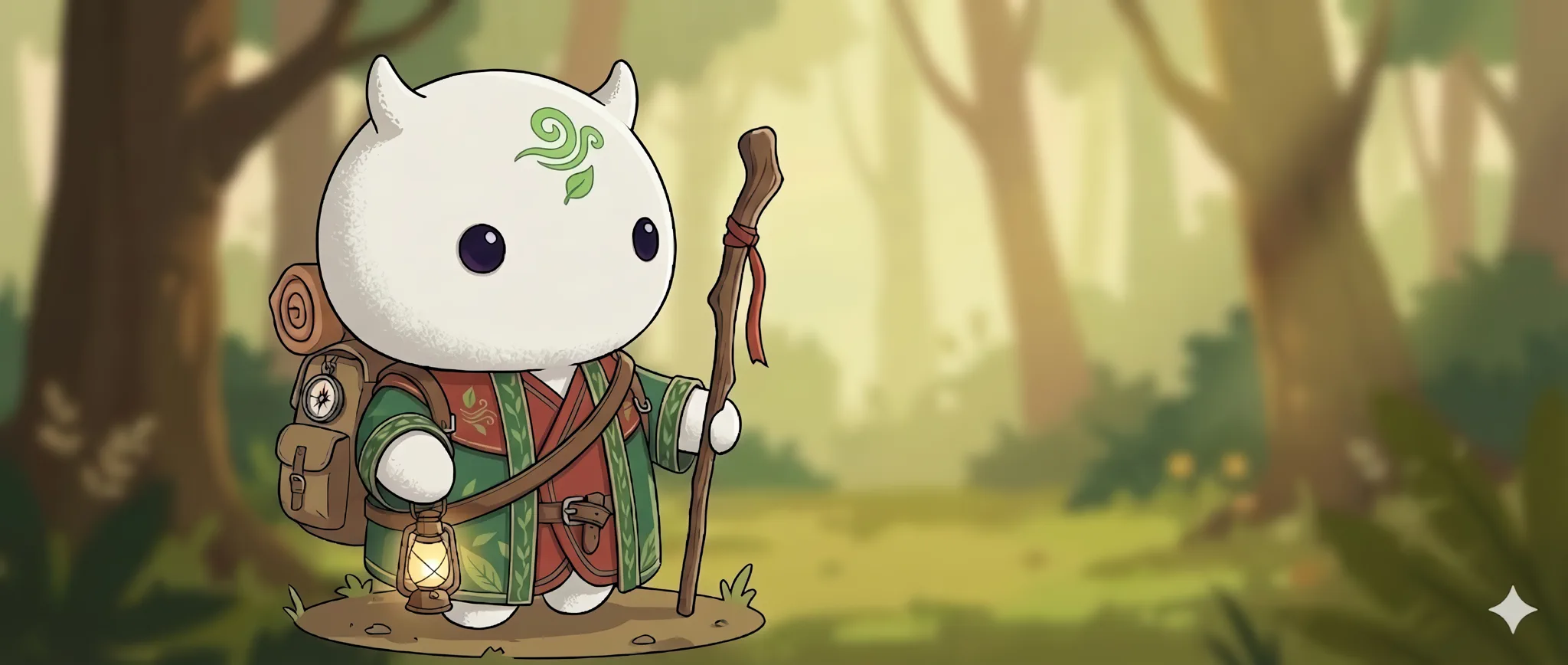
Wanderer
“The soul knows where it belongs—you just have to listen.”
Belonging, Growth, Patience, Ecology
Passion, Impulse, Honesty, Risk
Fairness, Responsibility, Order, Boundaries
Curiosity, Clarity, Precision, Mastery
Ambition, Power, Strategy, Self-interest
Understanding the Wanderer
You follow what feels alive and meaningful. You are drawn to nature, emotion, art, and anything that feels authentic. Environments that are overly structured or artificial can leave you disconnected. You often move toward experiences that awaken your sense of wonder. You feel most at home when you can be genuine and free, and when you can help others reconnect with something pure and heartfelt.
Dominant Driver
Green is the drive toward connection and organic growth. It shows up in people who think about how things and people fit together over time, who notice the emotional atmosphere in a room, and who care about whether a path feels alive rather than just impressive. This might be the person who tends to friendships like a garden, who values slow, steady progress, or who keeps an eye on whether everyone is actually okay beneath the surface. At its hardest moments, Green can avoid necessary conflict, stay too long in familiar situations, or bend itself around others until it’s not sure what it really wants anymore.
Auxiliary Driver
Red is the drive toward intensity and honest expression. It shows up in people who act on what they feel, say the thing everyone else is dancing around, and would rather live a vivid life than a perfectly controlled one. This might be the friend who texts “I’m outside, let’s go”, the person who laughs loudly, cries openly, or makes big gestures when something matters. At its hardest moments, Red can jump too fast, stir up drama, or burn out—only realizing afterward that not every impulse needed to become an action.
Lacking Driver
When you lack Blue, life runs mostly on habit and immediate reactions. You make decisions because 'that’s how it’s always done' or 'everyone else is doing it', with little patience for questions or deeper reflection. You or the people around you get irritated when asked to slow down, change your mind, or look at nuance, and the idea of learning before acting feels like a burden rather than a resource.
Lacking Driver
When you lack Black, you tend to wait to be chosen, hoping that effort or goodness will eventually be noticed on its own. You stay in unsatisfying situations because you don’t see any real leverage or options, avoid asking directly for what you want, and talk more about what you can’t do than about moves you could try. Saying no, setting terms, or pursuing your own interests feels selfish or dangerous, so your life is often shaped by other people’s decisions.
Strengths & Weaknesses
- Connects deeply to natural and emotional rhythms that others have forgotten how to feel
- Inspires through authenticity—your presence reminds people what 'real' feels like
- Defends beauty, wildness, and the vulnerable without needing a reason
- Creates experiences that feel raw, meaningful, and alive—memorable in a way others can't replicate
- Withdraws from structures that feel inauthentic, even when engaging with them would help
- Struggles with routine, bureaucracy, or long-term commitments that feel like cages
- Romanticizes escape over engagement—retreat can become avoidance
- Risks isolation, floating outside systems that actually need your presence